
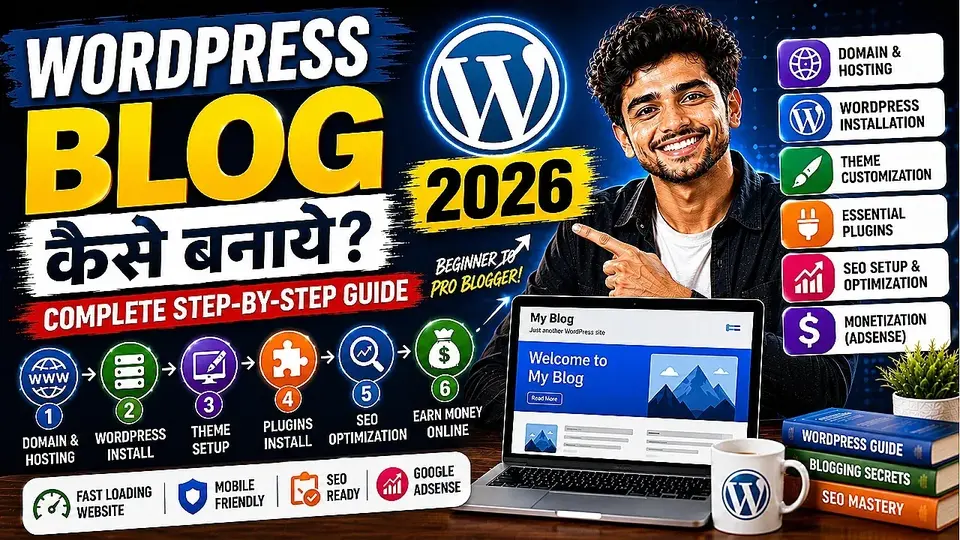
How to Start a Successful Blog in 2026 – Complete Beginner Tutorial
Blogging is one of the best online career opportunities in 2026. Millions of people are creating blogs to share knowledge, build personal brands, generate passive income, and grow online businesses. Whether you want to start a technology blog, finance blog, education website, AI tools website, or tutorials platform, blogging gives you unlimited opportunities.
Many beginners think blogging is difficult, but the truth is that anyone can start a successful blog with the right strategy and consistency. In this complete tutorial, you will learn everything step-by-step including choosing a niche, buying domain and hosting, setting up your blog, writing SEO-friendly content, driving traffic, and earning money from your website.
What is Blogging?
Blogging means publishing articles, tutorials, guides, reviews, or informational content on a website regularly. A blog can focus on a specific topic like technology, finance, education, health, gaming, or digital marketing.
Every blog post helps users solve problems, learn something new, or find useful information. Search engines like Google rank high-quality blog posts and send free traffic to websites.
Why Blogging is Still Profitable in 2026
Even in 2026, blogging is one of the most profitable online businesses because:
- Low investment required
- Can generate passive income
- Works globally
- Multiple monetization options
- No office or staff required initially
- Can be started from mobile or laptop
- Builds personal authority and audience
Thousands of bloggers earn money from ads, affiliate marketing, sponsored posts, digital products, and online services.
Step 1: Choose a Blogging Niche
The first step is selecting the right niche. Your niche is the main topic of your website.
Popular Blogging Niches in 2026
- AI Tools
- Technology
- Finance
- Education
- Tutorials
- Blogging Tips
- Fitness
- Gaming
- Mobile Apps
- Digital Marketing
- Online Earning
Choose a niche that:
- You enjoy writing about
- Has search demand
- Has monetization potential
- Can produce long-term content
If you are interested in technology and online earning, then tutorial-based blogging is one of the best options.
Step 2: Buy a Domain Name
Your domain name is your website identity. Example:
- example.com
- yourblog.in
- techworld.net
A good domain should be:
- Short and memorable
- Easy to type
- Brandable
- Related to your niche
Tips for Choosing a Domain
- Avoid numbers and hyphens
- Use simple words
- Choose .com if available
- Keep it under 15 characters if possible
Step 3: Buy Hosting
Hosting stores your website files online. Without hosting, your website cannot run.
Types of Hosting
- Shared Hosting
- Cloud Hosting
- VPS Hosting
- Managed WordPress Hosting
For beginners, shared hosting is enough initially.
Important Hosting Features
- Fast speed
- SSL certificate
- Good uptime
- Daily backup
- Customer support
- Easy WordPress installation
Step 4: Install WordPress
WordPress is the most popular blogging platform in the world. More than 40% of websites use WordPress.
Most hosting companies provide one-click WordPress installation.
Why WordPress is Best
- Beginner friendly
- SEO optimized
- Thousands of themes
- Powerful plugins
- Easy customization
- Mobile responsive
Step 5: Install a Professional Theme
Your website design matters because users prefer fast and professional websites.
Features of a Good Theme
- Fast loading
- Responsive design
- SEO friendly
- Clean layout
- Easy navigation
You can use free or premium themes depending on your budget.
Step 6: Create Important Pages
Every professional blog must include these pages:
- About Us
- Contact Us
- Privacy Policy
- Disclaimer
- Terms and Conditions
These pages help build trust and are important for Google AdSense approval.
Step 7: Write SEO-Friendly Blog Posts
SEO means Search Engine Optimization. It helps your blog rank on Google.
SEO Writing Tips
- Use keywords naturally
- Write long detailed articles
- Use headings properly
- Add images
- Write meta descriptions
- Use internal linking
- Optimize image sizes
Ideal Blog Post Structure
- Title
- Introduction
- Main headings
- Subheadings
- Bullet points
- Conclusion
- FAQ section
Long-form content generally performs better in search engines.
Step 8: Learn Keyword Research
Keyword research helps you find what users are searching on Google.
Types of Keywords
- Short-tail keywords
- Long-tail keywords
- Question keywords
- Transactional keywords
Example
- Blogging
- How to start blogging in 2026
- Best blogging tips for beginners
Long-tail keywords are easier to rank for beginners.
Step 9: Publish Content Consistently
Consistency is the key to blogging success.
Instead of publishing random content, create a schedule.
Recommended Posting Schedule
- 3 posts per week for beginners
- 1 high-quality post daily for growth
Consistency helps search engines trust your website.
Step 10: Drive Traffic to Your Blog
Traffic means visitors coming to your website.
Best Traffic Sources
- Google Search
- Telegram
- YouTube
Social Media Strategy
Create social media pages for your blog and regularly share:
- Post thumbnails
- Short tips
- Blog links
- Reels and shorts
- Trending content
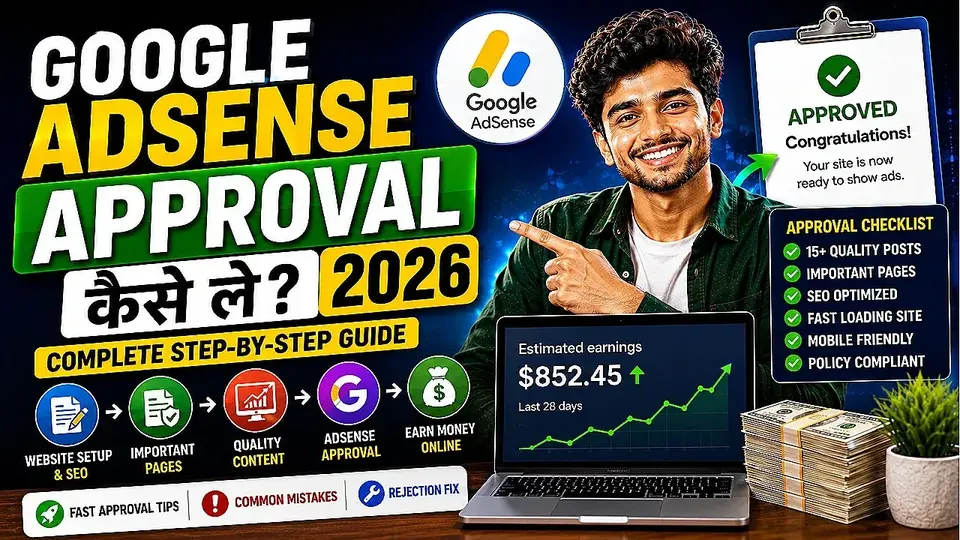
Step 11: Apply for Google AdSense
Google AdSense is one of the best ways to earn from blogging.
Requirements for AdSense Approval
- Unique content
- Professional design
- Important pages
- Good navigation
- Mobile-friendly website
- Minimum 20–30 quality posts
Once approved, ads will appear on your website and you earn revenue from clicks and impressions.
Step 12: Use Internal Linking
Internal linking means connecting your blog posts together.
Benefits of Internal Linking
- Improves SEO
- Increases page views
- Helps Google crawl content
- Reduces bounce rate
Example:
If you write a post about “SEO Tips,” you can internally link another article like “Keyword Research Tutorial.”
Step 13: Optimize Website Speed
Fast websites rank better and improve user experience.
Ways to Improve Speed
- Compress images
- Use WebP format
- Enable caching
- Use lightweight themes
- Minify CSS and JavaScript
- Use CDN services
Step 14: Build Authority
Google prefers trustworthy websites.
How to Build Authority
- Publish accurate information
- Write detailed tutorials
- Update old content
- Create unique images
- Build backlinks
- Stay active on social media
Common Blogging Mistakes
- Copying content
- Publishing low-quality articles
- Ignoring SEO
- Using too many ads
- Inconsistent posting
- Slow website speed
- Ignoring mobile optimization
How Long Does Blogging Take to Grow?
Blogging is not a quick-rich scheme. Most successful blogs take:
- 3–6 months for initial traffic
- 6–12 months for stable growth
- 1–2 years for strong income
Patience and consistency are extremely important.
Future of Blogging in 2026
Blogging continues to grow because users constantly search for tutorials, guides, reviews, and solutions online.
AI tools can help bloggers improve productivity, but human creativity, experience, and originality remain important for long-term success.
Conclusion
Starting a blog in 2026 is easier than ever before. With the right niche, quality content, SEO strategy, and consistency, anyone can build a successful website and generate online income.
Focus on helping users, writing detailed tutorials, improving website speed, and publishing valuable content regularly. Blogging rewards patience, learning, and consistency.
If you start today and remain consistent, your blog can become a strong digital asset in the future.
Frequently Asked Questions (FAQ)
1. Is blogging free?
Yes, blogging can start free, but professional blogging usually requires domain and hosting investment.
2. Can beginners start blogging?
Absolutely. Beginners can easily start blogging using WordPress and basic SEO knowledge.
3. How much can bloggers earn?
Income depends on traffic, niche, and monetization methods. Some bloggers earn part-time income while others earn full-time revenue.
4. Which niche is best for blogging?
Technology, finance, tutorials, AI tools, and education are highly popular niches.
5. How many words should a blog post contain?
SEO-friendly blog posts generally perform better between 1200–2500 words depending on competition and topic depth.
Daily earning, tech, finance aur blogging updates ke liye join karein.
🚀 Join Telegram





0Comments